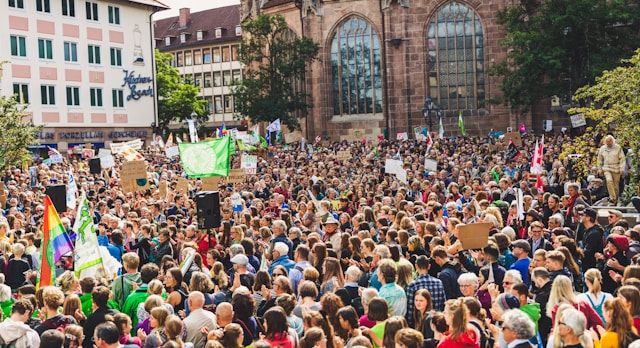
Youth activism is emerging as one of the most influential forces in global politics today. Across continents, young people are mobilizing to demand change, challenge established systems, and address urgent social, economic, and environmental issues. Their growing presence on social media, in grassroots movements, and in policy debates has reshaped how governments, institutions, and societies respond to pressing challenges. Understanding the rise of youth activism reveals how younger generations are redefining civic engagement and political participation in the 21st century.
Youth as a Driving Force for Change
Young people have always played a role in social movements, but today’s youth activism is more visible and impactful than ever before. With increasing access to technology, education, and global networks, youth are better equipped to organize, mobilize, and influence public opinion.
From climate change campaigns to social justice movements, youth activism demonstrates a commitment to shaping the world they will inherit. This generation emphasizes urgency, inclusivity, and equity, demanding that decision-makers address systemic problems in tangible ways.
Social Media and Digital Mobilization
One of the key factors fueling youth activism is the rise of digital technology and social media platforms. Platforms like Twitter, Instagram, TikTok, and X allow young activists to share information, coordinate campaigns, and amplify their messages worldwide.
Hashtags, viral videos, and online petitions have become tools to raise awareness and pressure policymakers. Movements such as Fridays for Future, spearheaded by young climate activists, and global campaigns for racial justice demonstrate how digital networks can quickly mobilize millions across borders. Social media provides visibility, fosters solidarity, and allows youth to bypass traditional gatekeepers in politics.
Climate Activism and Environmental Advocacy
Climate change is a defining issue for youth activism. Young people around the world are demanding urgent action from governments, corporations, and international organizations. They advocate for renewable energy policies, emissions reduction, conservation initiatives, and global agreements to protect the planet.
Activists emphasize intergenerational responsibility, highlighting that the decisions of today will profoundly affect the future. Public demonstrations, climate strikes, and online campaigns have made youth voices central to global environmental policy discussions, influencing leaders and shaping public priorities.
Social Justice and Equality Movements
Beyond environmental concerns, youth are at the forefront of campaigns for social justice and equality. Issues such as gender equality, racial equity, LGBTQ+ rights, and access to education are central to youth activism.
Young people challenge discriminatory laws, demand policy reform, and call for systemic changes that promote fairness and inclusion. Their engagement often combines grassroots activism with digital advocacy, enabling them to influence legislation, corporate practices, and public attitudes alike.
Political Participation and Civic Engagement
Youth activism also transforms political participation. While traditional voter turnout among young people has sometimes been low, activism reflects a deeper engagement with civic life. Young activists organize community initiatives, participate in local governance, and advocate for policies that align with their values.
Many are also running for office or supporting candidates who reflect their priorities. This shift demonstrates that youth are not just passive observers but active contributors to political decision-making, shaping policy agendas from the local to the global level.
Challenges and Resistance
Despite their growing influence, youth activists face challenges and resistance. Institutional barriers, limited access to decision-making spaces, and social stigma can hinder participation. In some regions, young people advocating for change face threats, censorship, or legal consequences.
Additionally, there is a persistent perception that youth lack experience, which can lead to their concerns being dismissed. Nevertheless, youth activists continue to innovate strategies to overcome these challenges, emphasizing collaboration, persistence, and global solidarity.
Global Collaboration and Solidarity
Youth activism today is inherently global. Activists collaborate across countries, sharing resources, strategies, and support. International networks amplify local movements and create pressure on governments and multinational organizations to address shared challenges.
Events like global climate strikes, international conferences, and online campaigns foster a sense of global citizenship among young activists. These connections strengthen movements, broaden perspectives, and highlight the universality of issues such as climate change, inequality, and human rights.
The Impact on Policy and Governance
Youth activism is increasingly influencing policy and governance. Governments are responding to public pressure by implementing youth-friendly policies, investing in education, and prioritizing climate action. Multilateral organizations, too, are incorporating youth perspectives into decision-making processes.
The rise of youth councils, advisory boards, and participatory initiatives ensures that young voices are not only heard but also incorporated into meaningful policy outcomes. This engagement fosters accountability and ensures that policies reflect the priorities of future generations.
Encouraging Youth Participation
For societies to fully benefit from youth activism, it is essential to support and encourage participation. Educational programs, civic engagement initiatives, mentorship, and inclusive platforms provide opportunities for young people to influence decisions constructively.
By recognizing the expertise, creativity, and energy of youth, governments and institutions can foster innovation and responsiveness in addressing societal challenges. Inclusive engagement ensures that democracy remains dynamic, representative, and forward-looking.
Final Thoughts
The rise of youth activism signals a transformative era in global politics. Young people are redefining civic engagement, challenging traditional power structures, and holding leaders accountable on issues that affect their future. From climate advocacy to social justice campaigns, their influence is shaping policies, public discourse, and international collaboration.
Understanding and supporting youth activism is essential for building resilient, inclusive, and forward-thinking societies. As this generation continues to mobilize, innovate, and advocate for change, their contributions will play a central role in shaping the political, social, and environmental landscape for years to come.