

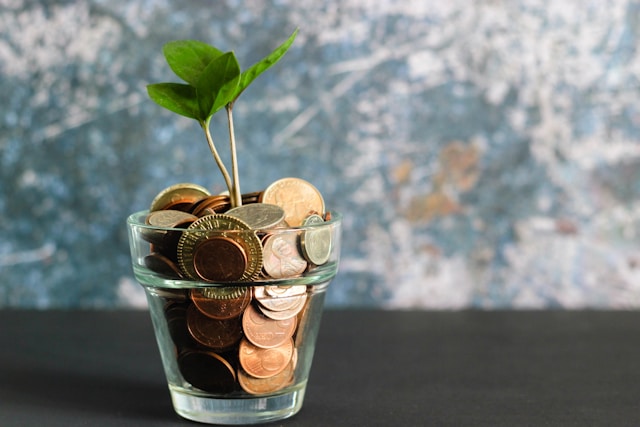
Building wealth doesn’t always require large windfalls or dramatic lifestyle changes. In fact, small, consistent habits practiced daily can have a significant impact on your financial health over time. In 2026, with increasing living costs and evolving financial opportunities, cultivating money-smart habits has never been more important. By adopting intentional routines, you can boost your savings steadily without feeling deprived or stressed.
Start with Mindful Spending
The first step in boosting your savings is becoming more mindful about how you spend your money. This means paying attention to each purchase and asking yourself whether it aligns with your financial goals.
Simple practices, such as writing down daily expenses or using budgeting apps to track spending, can help identify unnecessary purchases. Being conscious of spending habits ensures that money is directed toward priorities rather than impulse buys.
Automate Your Savings
Automation is one of the most effective ways to build savings over time. Set up automatic transfers from your checking account to a dedicated savings account. By treating savings like a recurring expense, you remove the temptation to spend that money.
Many apps offer features that round up purchases to the nearest dollar and save the difference. Over weeks and months, these small amounts accumulate, significantly boosting your savings without any extra effort.
Set Daily or Weekly Financial Goals
While long-term goals are important, breaking them down into smaller, achievable daily or weekly objectives can make saving more tangible. For example, you might aim to reduce daily coffee shop spending or limit online shopping to specific days.
Setting these small targets encourages consistent behavior and helps reinforce a mindset of financial discipline. Over time, these incremental savings add up to meaningful amounts.
Prepare Meals at Home
One of the most overlooked daily habits is cooking at home. Preparing meals instead of eating out can save a considerable amount each month. Meal planning allows you to buy only what you need, reduce food waste, and make healthier choices.
Even small adjustments, such as bringing lunch to work a few days a week or brewing coffee at home, can have a cumulative effect on your savings.
Review Subscriptions and Memberships Regularly
Many people pay for subscriptions or memberships that they no longer use or need. Make it a daily or weekly habit to review recurring charges and cancel any that are unnecessary.
This simple step not only frees up extra money for savings but also encourages more intentional spending habits. Even small monthly savings, when added together, can be substantial over the course of a year.
Use Cash or Debit Instead of Credit
A daily habit that can improve savings is limiting the use of credit cards for everyday purchases. Paying with cash or debit helps you stay within your budget and prevents accumulating debt.
By being more aware of every transaction, you are less likely to overspend. This practice reinforces financial mindfulness and encourages you to allocate money toward your savings goals instead.
Set Aside “Found Money”
Another effective habit is saving any unexpected or extra money you receive. This can include cash gifts, tax refunds, bonuses, or money earned from side gigs. Instead of spending it immediately, allocate a portion—or all of it—directly to your savings account.
Treating these windfalls as an opportunity to grow your financial cushion helps accelerate wealth building without affecting your regular budget.
Track Your Progress Daily
Keeping track of your savings progress can be motivating and encourage consistency. Take a few minutes each day to review your balances, monitor spending, or note the money you’ve set aside.
This habit reinforces accountability and allows you to make small adjustments if needed. Seeing incremental progress can be surprisingly motivating and help maintain long-term commitment.
Practice Delayed Gratification
A daily habit that supports savings is delaying non-essential purchases. When you feel the urge to buy something impulsively, wait 24 to 48 hours before making a decision.
This brief pause allows you to assess whether the purchase is necessary or if the money could be better used toward your savings goals. Over time, this habit reduces impulse spending and improves financial discipline.
Avoid Lifestyle Inflation
As income increases, it can be tempting to upgrade your lifestyle immediately. Practicing restraint and keeping expenses in check is a habit that boosts savings over time.
By maintaining a consistent lifestyle while saving additional income or bonuses, you accelerate your ability to build wealth without sacrificing comfort or quality of life.
Incorporate Micro-Savings Techniques
Micro-savings involve saving small amounts frequently. Examples include setting aside spare change, rounding up digital transactions, or transferring a few dollars to savings every day.
While these amounts may seem insignificant individually, the cumulative effect over months and years can be substantial. Daily attention to micro-savings ensures you are constantly contributing to your financial growth.
Stay Educated About Finances
A simple daily habit that pays off is dedicating time to financial education. Reading articles, following expert advice, or tracking market trends helps you make informed decisions about saving and investing.
Even spending just ten minutes a day learning about personal finance can provide strategies that improve your overall financial management and increase your long-term savings.
Conclusion: Consistency Is Key
Boosting your savings doesn’t require major sacrifices or dramatic lifestyle changes. By incorporating simple daily habits—mindful spending, automated savings, meal planning, monitoring subscriptions, and tracking progress—you can steadily increase your financial security.
Consistency and intentionality are the keys to long-term success. Small, disciplined actions taken every day accumulate into meaningful financial growth, allowing you to achieve your goals while maintaining the lifestyle you enjoy.
In 2026, the most effective approach to building wealth is through daily commitment, smart habits, and making your money work for you over time.

