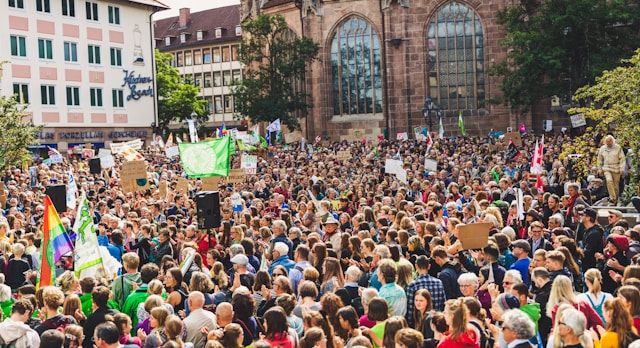
As elections draw closer in many parts of the world, voters are paying close attention to the issues that will shape political decisions and influence their communities for years to come. Elections are more than a contest between candidates — they are opportunities for citizens to voice their priorities and determine the direction of public policy. Understanding the key political issues at stake can help voters make informed decisions that not only reflect their values but also address the challenges their societies face.
This article explores the most important political issues likely to dominate public debate in upcoming elections. These topics touch on economics, public health, civil rights, security, climate, and more. By the time you finish reading, you’ll have a clearer view of the trends shaping modern political discourse and why they matter.
Economic Stability and Cost of Living
Economic concerns are often front and center in elections, especially when households are feeling financial strain. Rising costs of living, inflation, and job security remain top priorities for many voters. When households struggle to make ends meet — whether due to rising food, energy, or housing costs — trust in government can erode unless leaders offer credible economic plans.
Candidates and parties are expected to propose policies aimed at boosting wages, creating jobs, stimulating small business growth, and supporting working families. Discussions around tax reform, social safety nets, and labor rights will likely play a central role. In many countries, debates focus on striking a balance between stimulating economic growth and maintaining fiscal responsibility.
Healthcare Access and Reform
Healthcare remains a pressing issue for millions. Whether the concern is high medical costs, access to quality care, insurance coverage, or pandemic preparedness, voters want solutions that protect their health and financial security.
In many elections, debates are focused on how to improve access to medical services — particularly for rural and underserved communities — as well as how to control rising healthcare costs. Public health infrastructure and the ability to respond to future health crises are also major concerns, especially after the experiences of recent global health emergencies.
Climate Change and Environmental Policy
Climate change continues to rise in importance as extreme weather events, wildfires, floods, and heatwaves become more frequent. Young voters in particular are demanding ambitious action on environmental protection and sustainability.
Political platforms are increasingly evaluated based on their climate commitments: reducing carbon emissions, transitioning to renewable energy sources, preserving biodiversity, and adapting to environmental changes. Voters are paying attention to how candidates plan to protect natural resources, promote green jobs, and meet international climate commitments, making environmental policy a major election issue.
Public Safety and Crime Prevention
Safety and security are basic priorities for communities, and many voters want solutions to rising concerns about crime rates, public safety, and law enforcement reform. Issues such as policing practices, community-based crime prevention, and investment in social services often become focal points of political debate.
In some regions, voters call for better training and accountability for law enforcement, while others emphasize the need for stronger enforcement and crime deterrence strategies. The conversation often balances individual rights with community safety — a complex but essential discussion in any healthy democracy.
Education and Youth Opportunities
Education policy is another area under scrutiny during election cycles. The quality of public education, equitable funding, access to higher education, student loan burdens, and investment in vocational training are critical considerations for families and young adults.
During elections, candidates often outline their visions for improving schools, expanding educational resources, supporting teachers, and ensuring that young people have opportunities to succeed in a global job market. With technological change reshaping the workforce, many political platforms also focus on preparing students for future industries.
Civil Rights and Equality
Issues of civil rights, equality, and social justice continue to influence voters across the political spectrum. These include debates about gender equality, racial justice, LGBTQ+ rights, and protections for historically marginalized communities.
Candidates are expected to address discrimination, systemic inequalities, and the protection of individual liberties. Voters are increasingly interested in leadership that supports fairness and inclusion while also safeguarding fundamental freedoms such as freedom of expression and the right to protest.
Immigration and Border Policy
Immigration remains one of the most debated issues in many democracies. Opinions vary widely on how to balance national security with humanitarian responsibilities. Voters want clear and effective policies that manage borders, support lawful migration, and address labor market needs without compromising safety.
Economic migration, refugee protections, family reunification, and border security measures are all topics that candidates address. The challenge lies in finding policies that respect human rights while responding to legitimate concerns about security and economic impacts.
Technology, Privacy, and Regulation
As technology continues to evolve, political discussions increasingly focus on the role of digital platforms, data privacy, cybersecurity, and artificial intelligence. Voters are concerned about how their personal information is used, how misinformation spreads online, and how governments can protect citizens without overreaching.
Digital governance — including regulating big tech companies, protecting users from exploitation, and maintaining freedom of speech — is emerging as a key issue. Candidates’ positions on technology and regulation can influence younger, digitally connected voters who are deeply invested in these topics.
Global Security and Foreign Policy
In an interconnected world, foreign policy decisions can have direct effects on domestic life. Conflicts in various regions, trade relations, diplomatic alliances, and defense strategies are all subjects of political debate.
Voters are looking for leaders who can maintain peace, protect national interests, support global stability, and navigate complex international challenges. Issues like defense spending, international cooperation, and humanitarian assistance are frequently discussed.
Good Governance and Transparency
Many voters are increasingly focused on good governance, anti-corruption efforts, and transparency in public office. Trust in political institutions affects confidence in democratic processes. Promises to combat corruption, improve accountability, and increase transparency are often central campaign themes.
Citizens want leaders who uphold ethical standards, serve public interests before private ones, and ensure that government functions efficiently and fairly. These concerns often resonate deeply, regardless of the broader political debate.
Final Thoughts
Elections provide citizens with an opportunity to shape their futures and the future of their societies. While the specific issues may vary by country and region, themes such as economic stability, healthcare access, environmental protection, civil rights, public safety, education, and good governance are consistently at the forefront of political conversations.
Being informed about these key issues enables voters to critically evaluate candidates’ platforms and make choices that reflect their values and concerns. In a healthy democracy, every election becomes an opportunity — not just to choose leaders, but to influence the direction of public policy and contribute to a society that respects the needs and aspirations of its people.
Whether it’s local elections or national contests, the issues discussed here will continue to shape political debate and civic participation. Understanding them is an essential part of active and responsible citizenship.