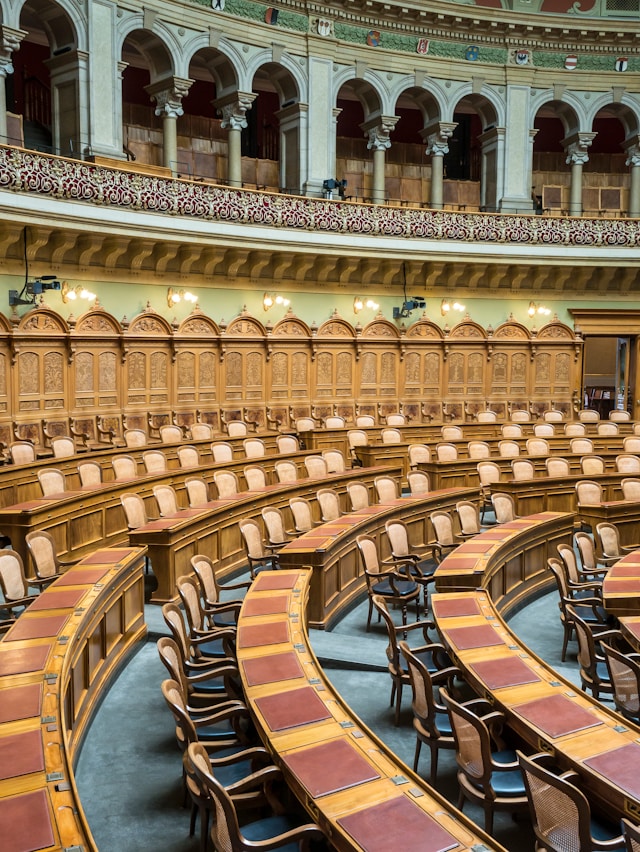
Voting is the cornerstone of democracy, providing citizens with the power to influence government policies, elect leaders, and shape the direction of their communities and nations. Every vote carries weight, and participation in elections is both a right and a responsibility that directly impacts the quality of governance and the future of society.
Why Voting Matters
Voting is the most direct way for citizens to express their preferences and priorities. By participating in elections, individuals contribute to decisions that affect education, healthcare, infrastructure, economic policies, and social programs. Each vote helps determine the leaders who will craft policies and represent public interests at local, regional, and national levels.
Beyond choosing leaders, voting sends a message about citizens’ engagement and concerns. High voter turnout reflects a healthy democracy where people are actively involved in shaping society. Conversely, low participation can weaken democratic institutions and give disproportionate influence to smaller, more organized groups.
Every Vote Can Make a Difference
One of the most compelling reasons to vote is that every single vote matters. History has shown that elections can be decided by very small margins, emphasizing that individual participation can change outcomes. Even if a voter believes their vote is insignificant, collectively, votes determine election results and influence policy direction.
In local elections, the impact of each vote is even more pronounced. City council, school board, and mayoral elections often see lower voter turnout, meaning that a single vote can have a significant effect on community governance and the allocation of local resources.
Voting as a Civic Duty
Voting is not only a right but also a civic duty. Participating in elections is a way to uphold democratic principles and contribute to the common good. By voting, citizens actively take part in governance rather than leaving decisions solely to elected officials.
Engaging in the electoral process demonstrates a commitment to society and ensures that a wide range of voices is represented. Communities thrive when citizens are informed and involved in the decisions that affect their daily lives.
Empowerment Through Participation
Casting a vote is a form of empowerment. It allows individuals to express their values, beliefs, and hopes for the future. Voting can be particularly empowering for groups that have historically faced disenfranchisement or marginalization. Participating in elections helps to strengthen equality, inclusion, and representation in the political process.
By exercising the right to vote, citizens affirm their stake in society and demand accountability from elected leaders. It is a tangible way to shape the policies that affect families, neighborhoods, and the nation at large.
The Role of Informed Voting
Voting is most effective when it is informed. Understanding candidates’ platforms, proposed policies, and their potential impact allows citizens to make choices that align with their values and the needs of their communities. Researching ballot measures, debates, and party positions ensures that each vote contributes meaningfully to the democratic process.
Informed voting reduces the influence of misinformation and encourages leaders to focus on substantive issues. By prioritizing knowledge over convenience or habit, voters strengthen democracy and ensure that electoral outcomes reflect collective well-reasoned choices.
Encouraging Participation in Every Election
Participation in every election matters, not just national or high-profile contests. Local, state, and midterm elections often determine important policy decisions and influence the balance of power in legislatures. Regular participation builds civic habit and ensures that citizens maintain an ongoing role in governance.
Civic engagement also extends beyond voting. Discussing issues with family and friends, attending town hall meetings, and volunteering for community initiatives complement voting and amplify the impact of individual voices.
Overcoming Barriers to Voting
Access to voting can sometimes be hindered by logistical, social, or informational barriers. It is important for citizens to know their rights, register on time, and be aware of voting procedures in their area. Many organizations provide resources, guidance, and assistance to ensure that all eligible voters can participate easily and securely.
By addressing obstacles and advocating for accessible elections, societies can ensure that voting remains a fair, inclusive, and representative process.
The Collective Power of Voting
While individual votes are powerful, the collective participation of citizens truly defines democracy. High voter turnout strengthens government legitimacy, encourages leaders to be responsive, and reflects the will of the people. When communities engage fully in the electoral process, it fosters accountability, transparency, and trust in democratic institutions.
Final Thoughts
Voting is more than a right—it is a responsibility and a tool for meaningful change. Each citizen’s participation shapes the future, influences policies, and holds leaders accountable. By understanding the importance of voting, staying informed, and engaging in every election, individuals contribute to a robust, representative, and thriving democracy.
Every vote counts. Every voice matters. Participating in elections is the most powerful way to influence the society in which we live, ensuring that democracy works for all.